Understanding gambling addiction recognizing the signs and seeking help
What is Gambling Addiction?
Gambling addiction, also known as compulsive gambling, is a behavioral disorder that leads individuals to gamble uncontrollably. Unlike occasional gambling, those with this addiction find themselves unable to resist the impulse to gamble, often leading to severe financial and emotional consequences. This disorder can affect anyone, regardless of age, gender, or background, and its impacts can ripple through families and communities. If you’re considering different options, exploring uk sports betting sites can provide insights into the gambling landscape.
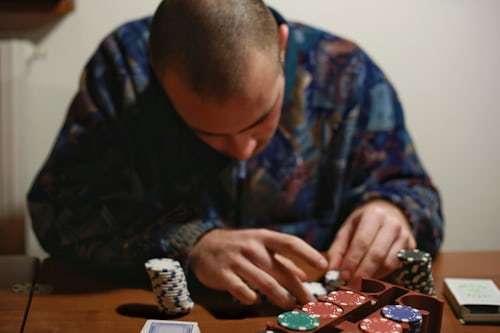
The nature of gambling addiction is complex and often intertwined with other mental health issues such as depression and anxiety. Many individuals may start gambling as a form of entertainment or social activity, but what begins as harmless fun can escalate into a compulsive behavior. Understanding the psychological mechanisms at play is crucial for recognizing this addiction and addressing its challenges.
Many myths surround gambling addiction, which can lead to misunderstanding and stigma. Some may believe that individuals can simply choose to stop gambling if they want to, overlooking the neurological and emotional factors that contribute to the compulsive behavior. It’s important to separate fact from fiction to foster a supportive environment for those struggling with this addiction.
Recognizing the Signs of Gambling Addiction
Identifying gambling addiction requires awareness of the various signs that manifest in individuals. Common indicators include lying about gambling habits, hiding financial losses, and using gambling as an escape from stress or depression. Additionally, individuals may neglect responsibilities at work or home, prioritizing gambling over relationships and obligations. These behavioral shifts can serve as critical warning signs.
Another significant aspect of gambling addiction is the emotional response associated with gambling activities. Many individuals may experience feelings of euphoria during wins but profound guilt and anxiety after losses. This emotional rollercoaster can further entrench the compulsive behavior, leading individuals to chase losses in hopes of regaining financial stability. Recognizing these emotional patterns is essential for understanding the addiction’s grip.
Physical signs may also accompany gambling addiction, such as changes in sleep patterns, increased irritability, and withdrawal from social interactions. Friends and family members often notice these changes before the individual does, making open conversations about gambling habits important for early intervention. Acknowledging these signs can lead to timely help and prevent further escalation of the addiction.
The Impact of Gambling Addiction
The ramifications of gambling addiction can be devastating, affecting not only the individual but also their loved ones. Financial hardship is often the most immediate consequence, as individuals may deplete savings, accrue debt, or resort to illegal activities to fund their gambling. These financial issues can lead to strain in relationships, loss of employment, and even legal troubles. Understanding these potential impacts is crucial for those who gamble frequently.
Beyond financial consequences, gambling addiction can lead to significant emotional distress. Many individuals experience anxiety, depression, and feelings of worthlessness as their gambling spirals out of control. This emotional toll can impact overall mental health, leading to suicidal thoughts in severe cases. Mental health professionals emphasize the importance of addressing these emotional factors when treating gambling addiction.
Moreover, the societal impact of gambling addiction is profound. Families may become fractured, children might experience neglect, and communities can suffer from increased crime rates associated with gambling-related financial desperation. Addressing gambling addiction not only aids the individual but also contributes positively to the broader societal context, fostering healthier environments for all.
Seeking Help for Gambling Addiction
Recognizing the need for help is often the first step in overcoming gambling addiction. Individuals may feel shame or embarrassment about their gambling habits, but it’s vital to understand that seeking help is a courageous and necessary action. Various resources are available, including support groups, therapy, and hotlines dedicated to helping individuals confront their gambling behaviors. These avenues provide not only guidance but also a community of support.
Professional treatment often involves cognitive-behavioral therapy (CBT), which helps individuals identify harmful thought patterns associated with gambling and develop healthier coping mechanisms. Additionally, support groups such as Gamblers Anonymous provide a platform for sharing experiences and strategies with others facing similar struggles. These groups can foster a sense of belonging and motivation for individuals working towards recovery.
Family involvement can also play a significant role in the recovery process. Encouraging loved ones to participate in treatment and support can provide the individual with a broader safety net. Open dialogue about gambling habits and the emotions associated with them can help rebuild trust and foster healing within the family unit, which is crucial for sustained recovery.

About Our Website
Our website is dedicated to raising awareness about gambling addiction and providing valuable resources for those affected by this disorder. We strive to offer comprehensive information, including the signs of gambling addiction, its impact, and how to seek help effectively. By equipping individuals and families with knowledge, we hope to foster healthier attitudes toward gambling and promote well-being.
In addition to informative articles, we aim to connect individuals with support groups, therapists, and hotlines that specialize in gambling addiction recovery. Our mission is to create a supportive environment where those struggling with gambling can find help and guidance. We believe that recovery is possible, and through education and community support, we can make a positive difference in the lives of those impacted by gambling addiction.